We use cookies to make this site work. We'd also like to set optional cookies so we can understand how the site is used and improve it. We will not set optional cookies unless you accept them. You can change your choice at any time from the Cookie settings link in the footer.
Strictly necessary cookies
These cookies are required for the site to work. They store your cookie preferences and keep your session secure. They are exempt from consent under PECR Regulation 6(4) because they are essential to deliver the service you have requested.
Optional cookies
Optional cookies help us understand how the site is used and provide additional features such as analytics, accessibility tools and translation. We will only set them if you accept.

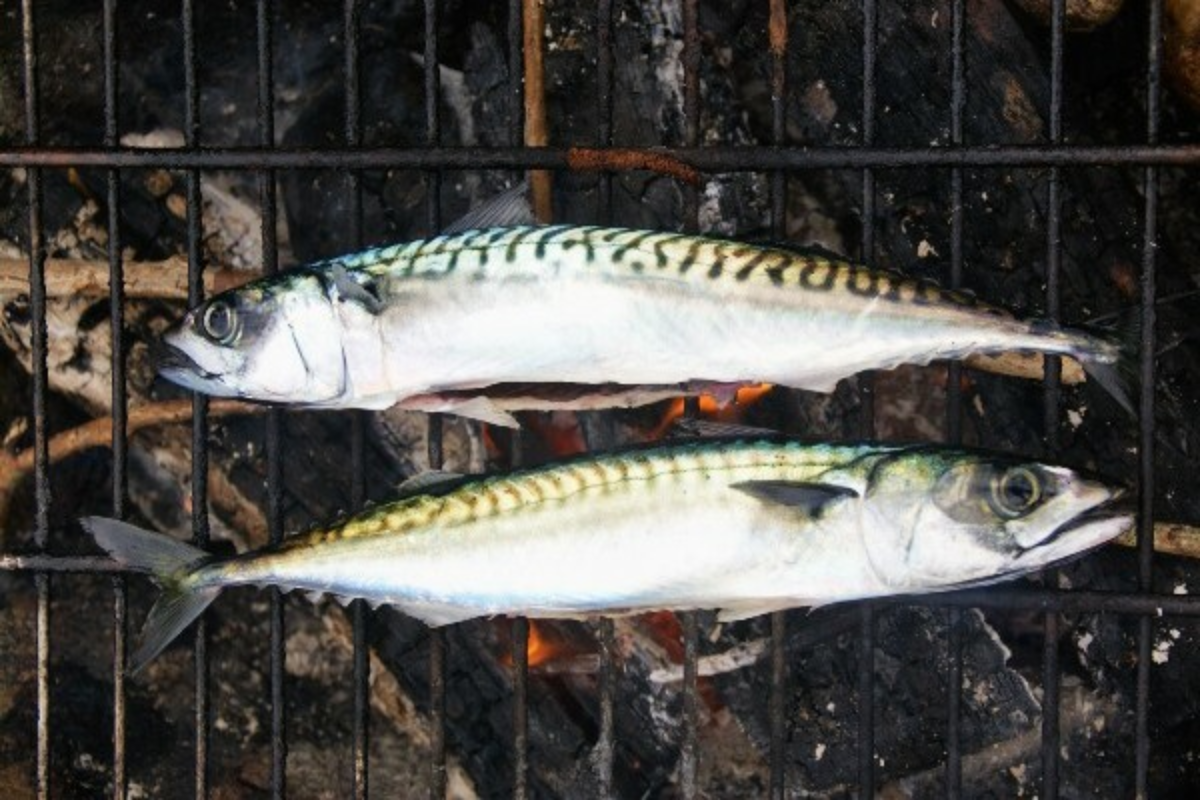
Our understanding of how the food and drink we consume influences our health has changed radically in the past 5-10 years and is likely to change further!
We are beginning to understand the key role of the trillions of bacteria that live in our gut (the gut microbiome) and the importance of them for our physical and even mental health.
There are more immune reactions going on in our gut every day than in the rest of our bodies over our entire lifetime! The amount of information feels overwhelming – we’ve read a lot of it so hopefully you don’t have to!
Here are our 10 top tips
Remember making changes can be difficult - why not start by trying one or two and see how you feel?
- Eat mostly whole, minimally processed foods, with plenty of fruits and vegetables!!....and that’s about it!
- Limit ultra-processed foods (UPFs) - these tend to be high in salt, sugar, unhealthy fats, and additives - and are linked with weight gain, inflammation and metabolic disease. Cooking from scratch is the best way to achieve this!
- Eating small amounts of meat is fine for most people, but processed meats (bacon, salami, ham) have clear health risks.
- Use extra-virgin olive oil as your main oil, and limit highly processed vegetable and seed oils.
- Try eating a rainbow of different colours of fruits and vegetables.
- There are no ‘Superfoods’ but certain foods do seem especially good for us – berries, pulses, seeds and especially fermented foods such as Sauerkraut and Kimchi.
- When you eat might be as important as what you eat – try and eat all your food in a narrower window of time during the day and avoid late-night eating.
- Limit fizzy drinks, including diet versions, as some studies link them with poorer metabolic outcomes, though the relationship isn’t fully understood.
- Try and eat together around a table…...the evidence suggests it makes you thinner! You can talk about how much you dislike Sauerkraut?
- Try not to obsess over macronutrients – you need them all but if pushed (!) focus on proteins, filling-up with fatty foods and limiting carbohydrates
Contact
Harbours Medical Practice
Health Centre
Avenue Road
Cockenzie, East Lothian
EH32 0JU
Telephone: 0300 790 6244
The Practice
Quick Links
Wellbeing