We use cookies to make this site work. We'd also like to set optional cookies so we can understand how the site is used and improve it. We will not set optional cookies unless you accept them. You can change your choice at any time from the Cookie settings link in the footer.
Strictly necessary cookies
These cookies are required for the site to work. They store your cookie preferences and keep your session secure. They are exempt from consent under PECR Regulation 6(4) because they are essential to deliver the service you have requested.
Optional cookies
Optional cookies help us understand how the site is used and provide additional features such as analytics, accessibility tools and translation. We will only set them if you accept.

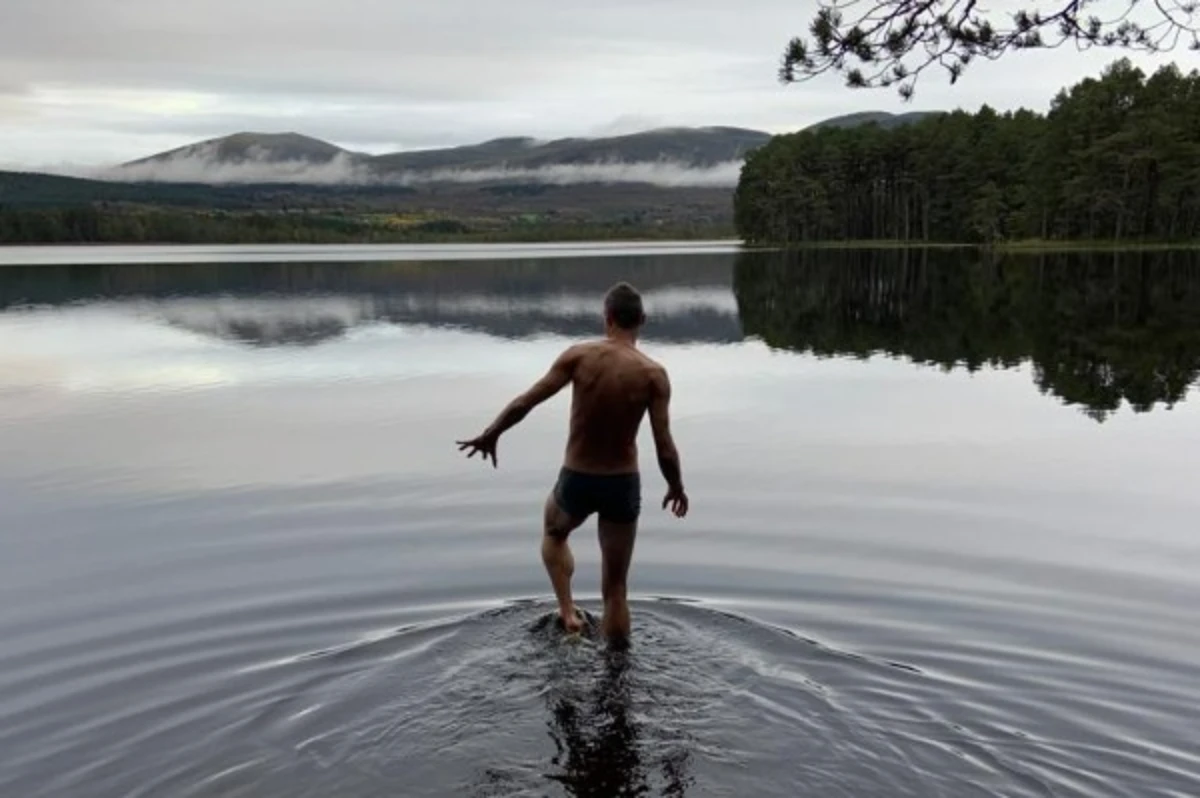
Cold Water
We are pretty convinced about the benefits of cold-water ‘swimming’ for both our physical and mental health.
It seems particularly helpful in managing feelings of stress, anxiety, panic attacks and low mood.
There is also a growing body of evidence that it can help painful conditions including fibromyalgia and might even boost our immune systems.
We are so convinced that every Friday morning at 8am we are going ‘swimming’ at the Boatshore to give it a go! I’m not sure we should call it swimming – just dunking your head under the water or having a paddle might be a better description.
We recommend that you bring a towel, warm clothes and a hot drink…. together with an open mind and anyone else you think might benefit!
So even if it sounds silly and is a bit risky, sometimes doing nothing is the riskiest thing of all…
Get directions to the Boatshore, Cockenzie (opens in Google Maps)
You should never swim alone in cold water
You should never swim alone in cold water but if you want to join us, you would be most welcome. You would, however, be doing so at your own risk. We are not trained lifeguards and some of us are pretty rubbish swimmers. People die from sudden cold-water immersion in Scotland each year. You should never jump straight into cold water as it can trigger ‘cold water shock’. If this happens the RNLI advice is to simply float for 60 to 90 seconds for the shock to pass and for you to regain control of your breathing.
Contact
Harbours Medical Practice
Health Centre
Avenue Road
Cockenzie, East Lothian
EH32 0JU
Telephone: 0300 790 6244
The Practice
Quick Links
Wellbeing